Recompose
Austeng are a boutique engineering firm that specialises in the design, engineering, development and building of customised electromechanical machinery and systems.

Austeng are a boutique engineering firm that specialises in the design, engineering, development and building of customised electromechanical machinery and systems.

Austeng is proud to partner with Recompose, a pioneer in natural organic reduction (NOR) and the developer of the Recompose System. This partnership combines Recompose’s leading end-of-life technology with Austeng’s Australian engineering, service, and technical support capability to help deliver a credible, locally supported alternative for the Australian market.
The benefits of Natural Organic Reduction
Natural organic reduction avoids the fossil-fuel combustion used in cremation, does not require the casket, concrete liner, and cemetery land resources associated with conventional burial, and creates soil as an end product. Recompose states that human composting saves between 0.84 and 1.4 metric tonnes of carbon dioxide compared with conventional burial or cremation, and uses 87% less energy than cremation.
The NSW sustainable interment research also identified specific strengths of composting human remains. It notes that Recompose’s system uses aerobic decomposition, which improves emissions outcomes compared with anaerobic decomposition in conventional burial. The report also notes that the process returns nutrients to soil and may suit people seeking a more natural alternative where land availability makes traditional burial difficult.
In practical terms, NOR offers several important benefits:
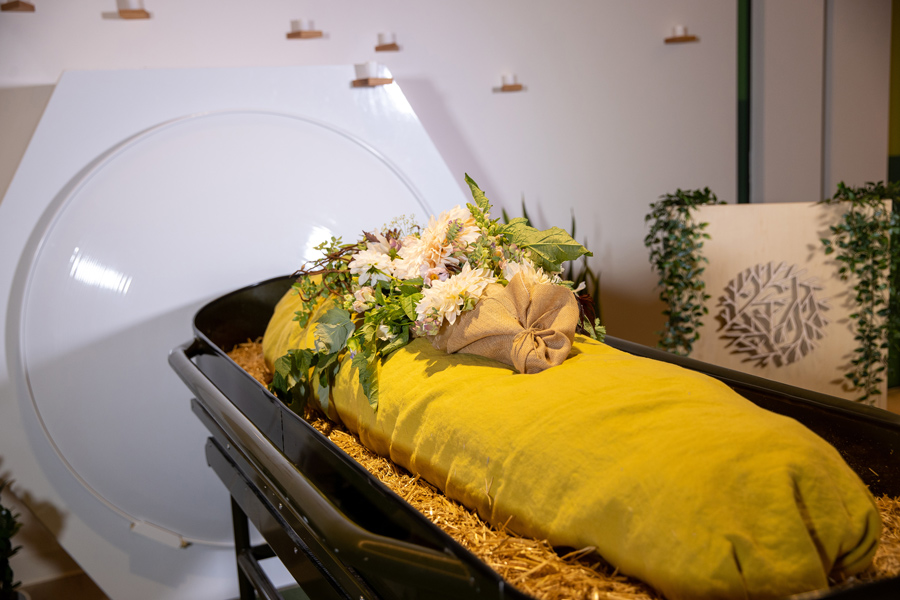
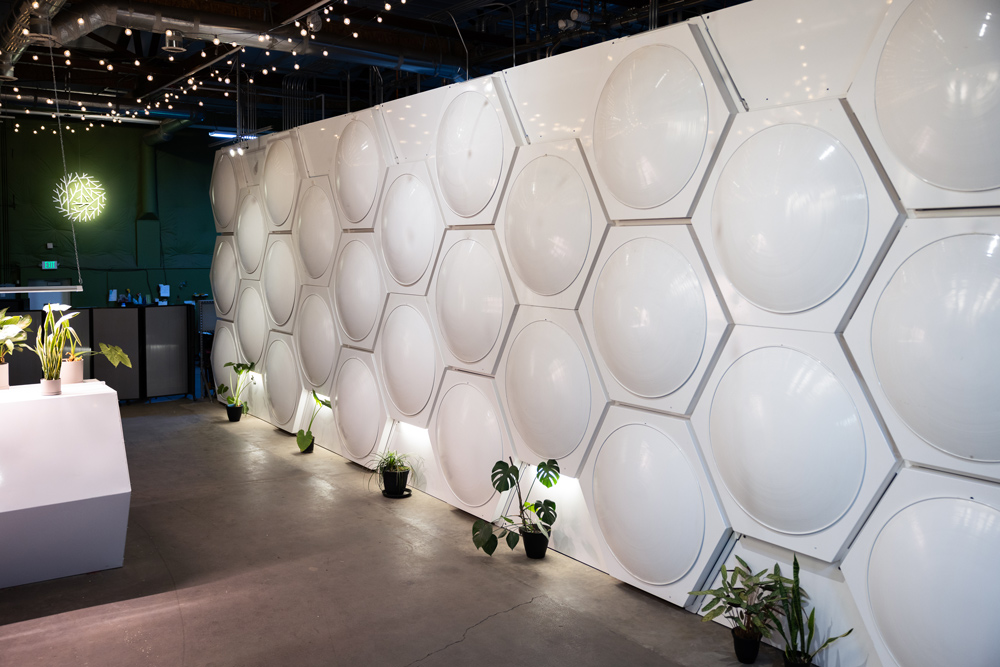
Recompose is the technology owner and system developer. It provides the know-how, system design, and operating model behind the Recompose System, and has helped establish natural organic reduction as a credible new category in end-of-life care.
Recompose brought human composting (natural organic reduction (NOR)) to market in the U.S. in 2020 after years of engineering, lobbying, and development. It has a pending patent for its vessel system in Australia, as well as trademarks registered for RECOMPOSE and PRECOMPOSE (its preneed program).
Austeng has more than 30 years of experience supporting the deathcare industry through the design, manufacture, installation, commissioning, servicing and ongoing maintenance of cremation equipment and associated systems. With an experienced team of mechanical and electrical engineers, tradespeople and service technicians, supported by an in-house workshop in Geelong, Austeng provides practical, end-to-end solutions for funeral homes, crematoria and cemeteries across Australia and New Zealand. This longstanding industry experience gives Austeng a strong understanding of the operational, regulatory, safety and service requirements involved in introducing and supporting new end-of-life technologies.
Austeng is the exclusive Australian service, installation and integration partner for Recompose equipment. Austeng’s role includes routine servicing, breakdown and call-out support, repairs, operator assistance, spare parts support, and local technical problem-solving. Additionally, installing, certifying and commissioning units in all sites across Australia. That means Australian clients can have confidence of installation and commissioning access responsive, practical support on the ground, backed by an experienced engineering team in Geelong.
In June 2026, independent Sydney MP Alex Greenwich introduced a private member’s bill to the NSW Parliament that would create a legal pathway for human composting — also known as terramation — in New South Wales. Ahead of introducing the legislation, Mr Greenwich toured Recompose’s Seattle facility to see the process firsthand.
Rising costs are a key driver behind the push. Mr Greenwich has noted that burial space in NSW is running out and can cost as much as $50,000, while cremation costs continue to climb with the upselling of coffins; overall funeral costs in Australia currently range from around $8,000 to $20,000. If the bill passes, human composting could become legally available in NSW as early as 2027, with pricing expected to undercut cremation.
The proposal has drawn support from a cautious but open response from NSW Premier Chris Minns. This growing public and political momentum reinforces the case for a locally supported Recompose offering in Australia — one that Austeng, as Recompose’s exclusive Australian service and installation partner, is already positioned to support as the regulatory landscape develops.
The partnership between Austeng and Recompose reflects a shared commitment to innovation, practical delivery, and more sustainable end-of-life options. As Australia’s needs change, natural organic reduction has the potential to become an important addition to the sector — offering families a lower-impact alternative while helping address the environmental and land-use challenges associated with traditional methods.
If you would like to learn more about the Recompose System, or discuss having one installed in Australia, please contact Austeng.
 Austeng
Expanding Our Expertise: Austeng Brings 30+ Years of Cremator Innovation to the Pet Industry For over three decades, Austeng has been designing and manufacturing world-class cremation furnaces for facilities across Australia and New Zealand. Now, the Austeng Joule Cremator – trusted by busy human crematoria – has been adapted for the pet cremation industry, delivering […]
 AustengCC
The “Creotal Cremator” is a small efficient and economic furnace especially designed and dedicated to the cremation for feotal and still-born baby remains. It is consistent with the emerging trend of cemeteries and crematoria organisations offering separate areas for the memorialisation of babies and young children. Losing a baby as a result of stillbirth, prematurely […]
 AustengCC
The AUSLITE gantry is here. The next step in a ‘no lift’ industry. Austeng and Lite Industries have collaborated to develop the Auslite gantry to address the risks of manual handling of coffins and monumental ledgers. There has been a growing awareness of the risks and responsibilities associated with the manual handling within cemeteries especially […]
Austeng Secures Federal Funding to Demonstrate Onsite Hydrogen Production and Blending Austeng is pleased to announce that we have secured Federal Government funding to deliver a pioneering hydrogen project at our Geelong facility—focused on demonstrating the commercial viability of onsite hydrogen production and blending for industrial applications. This project will showcase how green hydrogen can […]


